
The Key to Saving Your Tooth
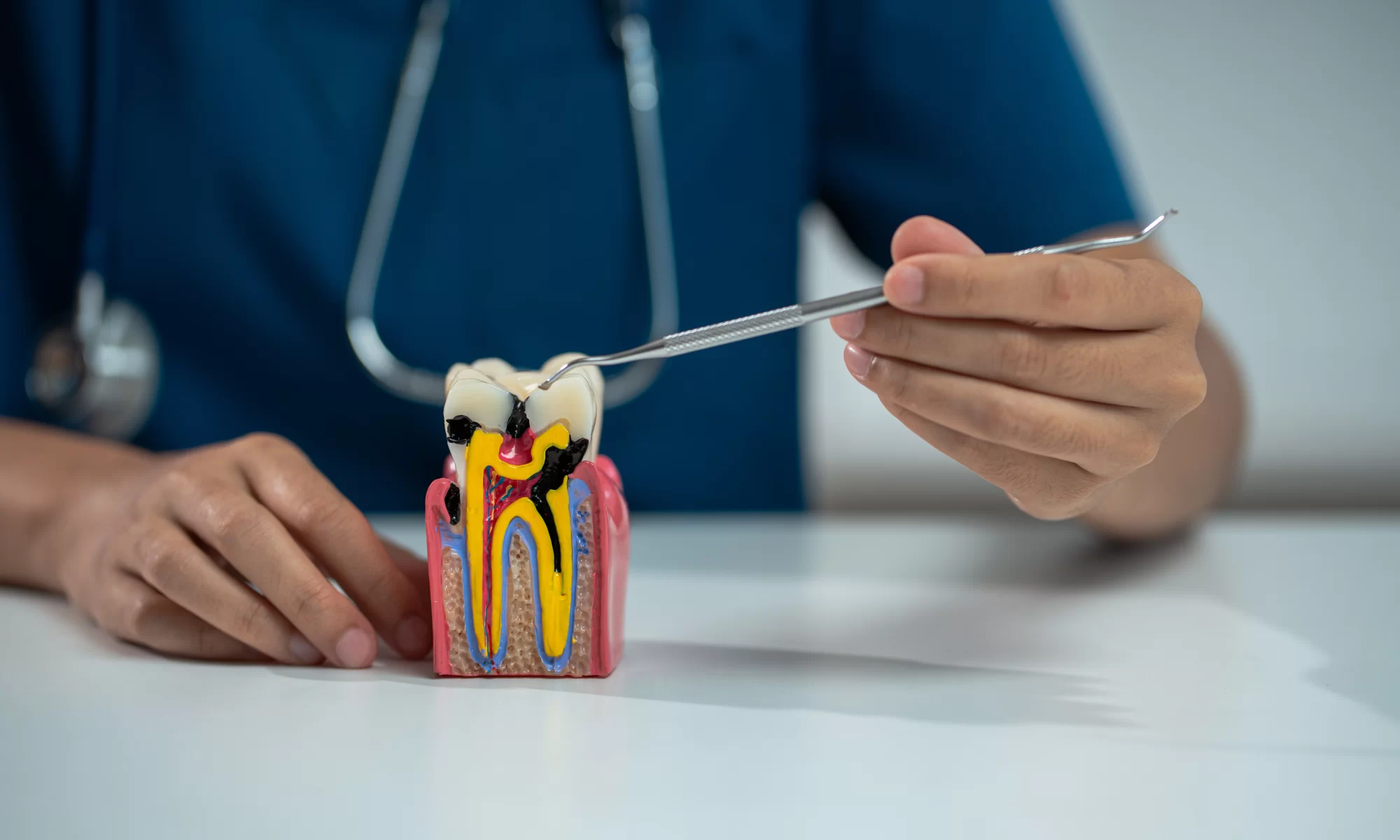
Endodontic therapy, commonly known as root canal treatment, is one of the most effective methods for preserving teeth affected by deep decay, infection, or trauma. This treatment focuses on healing the dental pulp, the soft tissue inside the tooth that contains nerves and blood vessels. The pulp is surrounded by dentin, and on the outside by enamel. When decay penetrates through enamel and dentin, inflammation of the pulp—known as pulpitis—occurs.
Inflamed pulp causes symptoms such as pain and sensitivity to hot or cold. Even when not yet infected, the pulp can become irritated by deep cavities. At Dr. Jelić Dent in Bijeljina, your dentist will carefully assess the condition of the tooth using an X-ray before beginning treatment.
Endodontic therapy involves opening the pulp chamber and removing the tissue (commonly referred to as “nerve removal”), followed by mechanical cleaning, irrigation (rinsing), and sealing of the root canals. At Dr. Jelić Dent, we use modern techniques and biocompatible materials to ensure your tooth is treated, saved, and preserved for years to come.

What is endodontic therapy?
Endodontic therapy is a dental procedure that removes damaged or infected pulp (nerve tissue) from inside the tooth, cleans and disinfects the root canals, and fills them to prevent future infection while preserving the tooth’s structure. This procedure allows patients to keep their natural teeth, avoiding extraction or replacement options such as bridges or implants.
There are two approaches to performing endodontic therapy:
The dentist opens the pulp chamber and applies a medicament that devitalizes the nerve over several days.
The pulp is removed immediately under local anesthesia, without using a devitalizing agent.
Teeth can have one or multiple roots.
Single-rooted teeth usually have one or two canals, while multi-rooted teeth may have three or more. It is essential to locate all canals, clean them thoroughly, and disinfect them to prevent reinfection.At Dr. Jelić Dent, canal cleaning is performed with advanced mechanical instrumentation, and the canals are sealed with biocompatible materials that prevent bacterial penetration. A follow-up X-ray is then taken. If the tooth is healthy, a new filling or crown is placed depending on its condition.
Common symptoms of pulp inflammation include:
Prolonged pain to cold stimuli
Pain caused by heat
Spontaneous throbbing pain relieved only by painkillers
Pain when biting or chewing
Swelling
Fistula (pus-filled lesion)
Some patients experience no symptoms, which can delay treatment. If you notice any of these signs, contact us immediately—our team will provide fast and effective care.
Pain after applying the devitalizing agent (“medicament placed”)
To devitalize the nerve, a paraformaldehyde-based material is applied to the pulp. Although it contains an anesthetic, discomfort may occur as the nerve dies off. The pain usually subsides within one to two days and can be managed with oral painkillers. If the pain increases, contact your dentist.Pain after endodontic therapy
Root canal treatment is one of the most delicate dental procedures, and healing time may vary. Post-treatment pain may occur due to tissue irritation from the filling. It usually resolves within a few days with pain relief medication.Other possible causes of pain include:
Over-instrumentation: minor tissue irritation beyond the root tip during cleaning. This discomfort typically resolves in a few days with painkillers.
Infection in the bone: despite proper cleaning and filling, inflammation can persist due to residual bacteria. The immune system usually resolves this, sometimes with the help of prescribed antibiotics.
Reinfection of the canal: if a filling or crown leaks, bacteria can re-enter the canal. Retreatment is then required.
Overfilling with material: a small amount of filling material may extend past the root tip, causing irritation. At Dr. Jelić Dent, we use mineral trioxide aggregate (MTA), a bioactive and biocompatible material that minimizes inflammation.
High filling or crown: excessive height can cause pressure and pain on the opposing tooth; your dentist will adjust it as needed.
Sodium hypochlorite leakage: this disinfectant may leak past the root tip during cleaning, causing temporary pain; rinsing and antibiotics usually resolve the issue.
Missed canal: sometimes, especially in molars, a canal can be difficult to detect. At Dr. Jelić Dent, we use magnification tools to locate all root canals and ensure complete treatment.

Endodontic therapy practice
At Dr. Jelić Dent, our endodontic practice includes thorough diagnostics, careful treatment planning, and precise execution using the latest technologies. Our specialists continuously train and adopt the newest methods to make treatments faster, safer, and less invasive for our patients.

Endodontic therapy price
The cost of endodontic therapy at Dr. Jelić Dent depends on the complexity of the case, the number of canals, and the materials used. We pride ourselves on transparent pricing and clear communication before treatment begins. Our goal is to make high-quality endodontic care accessible to everyone.
If you’re experiencing tooth pain or have been advised to undergo root canal therapy, don’t delay. The Dr. Jelić Dent dental clinic is here to provide professional, effective treatment and preserve your natural tooth. Schedule an appointment today and take the first step toward a healthier smile!