Bad breath (halitosis) can have various causes, ranging from food and smoking to gum disease or general health conditions. It most commonly occurs due to insufficient oral hygiene and the accumulation of bacteria on the teeth and tongue, but it can also be a sign of a more serious problem that requires a dental examination.
Your dentist can help identify the true cause of the bad breath and, if it is related to the oral cavity, recommend a treatment that leads to complete improvement.
Hygiene-related causes of bad breath
The food we eat directly affects the smell of our breath. Foods such as garlic and onions contain compounds that enter the bloodstream and are carried to the lungs, where they are exhaled through the mouth and nose. Brushing, flossing, or mouthwash can temporarily mask the odor, but they do not eliminate it until these compounds are fully removed from the body.
Irregular or poor oral hygiene also leads to the retention of food debris on the teeth, gums, and tongue. Bacteria multiply in those areas and produce unpleasant odors as they break down those particles.
Diseases as a cause of bad breath
Chronic bad breath is often one of the first signs of gum disease (periodontitis). These conditions are caused by dental plaque, a sticky layer full of bacteria that constantly forms on the teeth. If not removed in time, plaque leads to gum inflammation, tissue recession, and later bone damage around the teeth, which results in tooth mobility and tooth loss.
Bad breath can also occur due to dry mouth (xerostomia). When there is not enough saliva, the mouth does not rinse itself naturally, allowing odor-causing substances to accumulate. Dry mouth can result from the use of certain medications, salivary gland disorders, or mouth breathing.
A dentist may recommend artificial saliva, sugar-free lozenges, or increased fluid intake to help relieve dryness.
Additionally, bad breath may be a symptom of general health conditions such as respiratory infections, chronic bronchitis, sinusitis, diabetes, stomach disorders, or liver and kidney diseases. If the mouth is healthy but bad breath persists, it is necessary to consult a doctor for further evaluation.
How to prevent bad breath
The most important step is maintaining good oral hygiene and visiting your dentist regularly. Brush your teeth after every meal, or at least twice a day — in the morning and in the evening. Do not forget to clean your tongue, as bacteria and food debris accumulate on its surface.
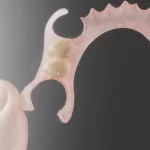
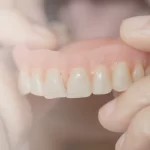
Use dental floss every evening, and mouthwash if needed, but only as a supplement to regular brushing. If you wear dentures, make sure to clean them thoroughly after every meal.
Regular dental check-ups and professional tartar removal are the best ways to prevent halitosis and maintain a healthy, fresh breath.