Partial Acrylic Dentures

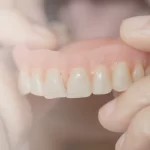
Partial acrylic denture held in hands, removable denture with artificial teeth

Blog

Home – Blog

Partial acrylic denture held in hands, removable denture with artificial teeth

Partial Acrylic Dentures

Partial dentures are among the most common removable prosthetic replacements. Their primary role is to replace one or more missing teeth and restore chewing function, speech, and the aesthetics of the smile. They rely on the remaining natural teeth and surrounding tissues, and as removable prostheses, they can be taken out of the mouth, which makes hygiene maintenance easier.

What Are Partial Acrylic Dentures?

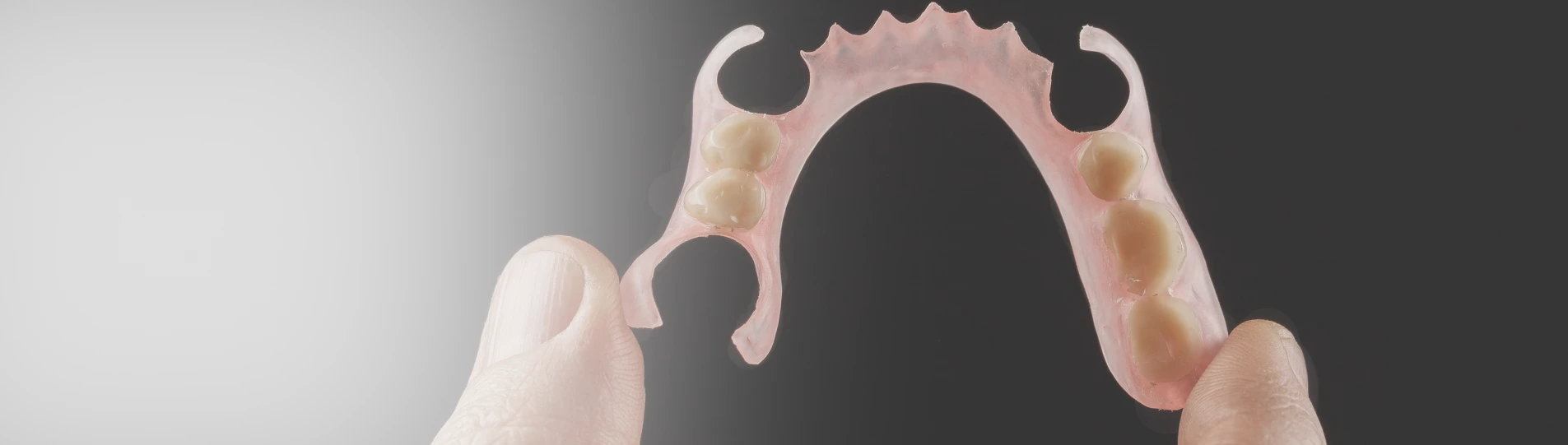
Partial acrylic dentures are the oldest and most widely used type of partial dentures. They replace missing teeth and part of the jawbone, thereby re-establishing the proper relationship between the jaws.

They consist of three main components:

  • Acrylic base – which sits on the jawbone and replaces lost tissue,

  • Artificial teeth – built into the base,

  • Wire clasps – which connect the denture to natural teeth and provide stability.

When Are Acrylic Dentures Made?

These dentures are most commonly made when a fixed bridge cannot be placed — either due to an insufficient number of remaining teeth, significant bone resorption, periodontal disease, or financial reasons.

Their use also has an important preventive role, because they:

  • prevent shifting and tilting of the remaining teeth toward empty spaces,

  • maintain proper jaw alignment and prevent joint pain,

  • preserve chewing function and facial aesthetics,

  • and reduce psychological discomfort caused by tooth loss.

Disadvantages of Acrylic Dentures

Although practical and affordable, acrylic dentures have certain drawbacks, which is why they are mostly used as a temporary solution today:

  • They do not distribute chewing forces evenly, which may damage remaining teeth and bone.

  • Wire clasps can, over time, damage the supporting teeth, causing cavities and gum recession.

  • The dentures are thicker and bulkier than other types, so they require a longer adjustment period.

  • Their aesthetic effect is limited, especially for visible teeth.

Modern Alternatives

Today, there are much more advanced and long-lasting solutions:

  • Fixed restorations – ceramic crowns and bridges that provide a natural appearance.

  • Cast metal (skeletal) dentures – with a metal framework, offering greater strength and stability.

  • Valplast dentures – made from flexible thermoplastic material, lightweight and comfortable to wear, with excellent aesthetic results.

Online appointment

Enhance your smile with professional whitening

Restore your smile’s natural brightness and shine with our modern professional whitening treatments. Our experts use safe and effective methods that deliver visible results after just one visit.


Our team of professionals takes care of your smile using modern methods and an individual approach to each patient.

Working Hours

Contact

Phone

+387 ********13

Location

Bijeljina, Street Neznanih Junaka 44A, Bosnia and Herzegovina

Email

co*****@**********nt.com

Partial Edentulism and Types of Prosthetic Restorations

Woman smiling with healthy, natural-looking teeth – representing modern prosthetic restoration results.

Blog

Home – Blog

Woman smiling with healthy, natural-looking teeth – representing modern prosthetic restoration results.

Partial Edentulism and Types of Prosthetic Restorations

Partial edentulism is a condition characterized by the absence of one or more teeth in the upper or lower jaw. It is not a disease, but a consequence of various dental and periodontal conditions, injuries, or developmental disorders. Partial edentulism is very common not only in adults but also in children, and represents one of the most frequent issues in modern dentistry.

Why tooth loss occurs
The most common cause of tooth loss is dental caries, which—if not treated on time—can affect the root and the bone. The next most common cause is periodontal disease, which leads to loosening, mobility, and loss of teeth, as well as injuries to the teeth and jaw. In some cases, tooth loss may also result from developmental disorders, where permanent teeth do not erupt properly or fail to erupt at all.

Regardless of the cause, the consequences are similar: the remaining teeth tilt and shift toward the empty space, leading to changes in the bite, joint stress, and often difficulties with chewing, speech, and smile aesthetics.

Fixed prosthetic restorations
Fixed restorations cannot be removed from the mouth and include crowns and bridges.
Crowns are made when a single tooth is missing.
Bridges are placed when several teeth in a row are missing.

They are most commonly made of metal covered with ceramic, while today metal-free ceramics (zirconia) are increasingly used due to their excellent strength and natural appearance. The color and shape of crowns and bridges are adjusted to match the surrounding teeth, making them almost unnoticeable.

Removable prosthetic restorations
Removable restorations (dentures) can be taken out and placed back into the mouth by the patient. They are divided into complete dentures (when all teeth in a jaw are missing) and partial dentures (when only several teeth are missing).

The most common types are:

  • Acrylic dentures – made of acrylic; lightweight but temporary (lasting 3–4 years).

  • Skeletal dentures – have a metal framework, transmit chewing forces more effectively, and are more durable.

  • Valplast dentures – flexible, thin, and comfortable; made of modern materials that do not break and are well accepted by patients.

  • Implant-supported dentures – a modern and stable solution providing the best sense of security, natural appearance, and functionality.

How to choose the right prosthetic restoration
The choice depends on the number and arrangement of remaining teeth, the condition of the bone, and the patient’s preferences. After an examination, the dentist determines the most suitable solution—whether a fixed bridge, crown, denture, or a combination with implants.

Modern materials and precise techniques today allow full restoration of function, aesthetics, and comfort, so partial edentulism no longer needs to be a problem—neither medically nor aesthetically.

Online appointment

Enhance your smile with professional whitening

Restore your smile’s natural brightness and shine with our modern professional whitening treatments. Our experts use safe and effective methods that deliver visible results after just one visit.


Our team of professionals takes care of your smile using modern methods and an individual approach to each patient.

Working Hours

Contact

Phone

+387 ********13

Location

Bijeljina, Street Neznanih Junaka 44A, Bosnia and Herzegovina

Email

co*****@**********nt.com

Bad Breath – Causes and Solutions

Person with a slight smile showing clean teeth – representing the topic of bad breath (halitosis).

Blog

Home – Blog

Person with a slight smile showing clean teeth – representing the topic of bad breath (halitosis).

Bad Breath – Causes and Solutions

Bad breath (halitosis) can have various causes, ranging from food and smoking to gum disease or general health conditions. It most commonly occurs due to insufficient oral hygiene and the accumulation of bacteria on the teeth and tongue, but it can also be a sign of a more serious problem that requires a dental examination.

Your dentist can help identify the true cause of the bad breath and, if it is related to the oral cavity, recommend a treatment that leads to complete improvement.

Hygiene-related causes of bad breath
The food we eat directly affects the smell of our breath. Foods such as garlic and onions contain compounds that enter the bloodstream and are carried to the lungs, where they are exhaled through the mouth and nose. Brushing, flossing, or mouthwash can temporarily mask the odor, but they do not eliminate it until these compounds are fully removed from the body.

Irregular or poor oral hygiene also leads to the retention of food debris on the teeth, gums, and tongue. Bacteria multiply in those areas and produce unpleasant odors as they break down those particles.

Diseases as a cause of bad breath
Chronic bad breath is often one of the first signs of gum disease (periodontitis). These conditions are caused by dental plaque, a sticky layer full of bacteria that constantly forms on the teeth. If not removed in time, plaque leads to gum inflammation, tissue recession, and later bone damage around the teeth, which results in tooth mobility and tooth loss.

Bad breath can also occur due to dry mouth (xerostomia). When there is not enough saliva, the mouth does not rinse itself naturally, allowing odor-causing substances to accumulate. Dry mouth can result from the use of certain medications, salivary gland disorders, or mouth breathing.
A dentist may recommend artificial saliva, sugar-free lozenges, or increased fluid intake to help relieve dryness.

Additionally, bad breath may be a symptom of general health conditions such as respiratory infections, chronic bronchitis, sinusitis, diabetes, stomach disorders, or liver and kidney diseases. If the mouth is healthy but bad breath persists, it is necessary to consult a doctor for further evaluation.

How to prevent bad breath
The most important step is maintaining good oral hygiene and visiting your dentist regularly. Brush your teeth after every meal, or at least twice a day — in the morning and in the evening. Do not forget to clean your tongue, as bacteria and food debris accumulate on its surface.

Use dental floss every evening, and mouthwash if needed, but only as a supplement to regular brushing. If you wear dentures, make sure to clean them thoroughly after every meal.

Regular dental check-ups and professional tartar removal are the best ways to prevent halitosis and maintain a healthy, fresh breath.

Online appointment

Enhance your smile with professional whitening

Restore your smile’s natural brightness and shine with our modern professional whitening treatments. Our experts use safe and effective methods that deliver visible results after just one visit.


Our team of professionals takes care of your smile using modern methods and an individual approach to each patient.

Working Hours

Contact

Phone

+387 ********13

Location

Bijeljina, Street Neznanih Junaka 44A, Bosnia and Herzegovina

Email

co*****@**********nt.com

Teeth Grinding – Bruxism

Person clenching their teeth – illustration of teeth grinding (bruxism).

Blog

Home – Blog

Person clenching their teeth – illustration of teeth grinding (bruxism).

Teeth Grinding – Bruxism

Bruxism is the term for unconscious clenching and grinding of the teeth, most often during the night. This habit causes significant stress on the teeth and jaw, leading over time to enamel wear, tooth fractures, joint pain, and tension in the facial muscles.
Bruxism is often associated with stress, tension, or fatigue, and it can also occur in children, usually temporarily and without lasting consequences.

The problem is usually noticed by a partner, or you may observe symptoms yourself, such as morning jaw pain, tooth sensitivity, or flattened chewing surfaces.

If you suspect bruxism, you should visit your dentist. Based on a dental impression, a silicone night guard is made, which is worn during the night. It prevents tooth wear and reduces jaw pain.

Additionally, relaxation and stress reduction are recommended, as emotional tension often worsens the symptoms. Timely treatment of bruxism protects the teeth, jaw joints, and sleep quality.

Online appointment

Enhance your smile with professional whitening

Restore your smile’s natural brightness and shine with our modern professional whitening treatments. Our experts use safe and effective methods that deliver visible results after just one visit.


Our team of professionals takes care of your smile using modern methods and an individual approach to each patient.

Working Hours

Contact

Phone

+387 ********13

Location

Bijeljina, Street Neznanih Junaka 44A, Bosnia and Herzegovina

Email

co*****@**********nt.com

How to Use Dental Floss

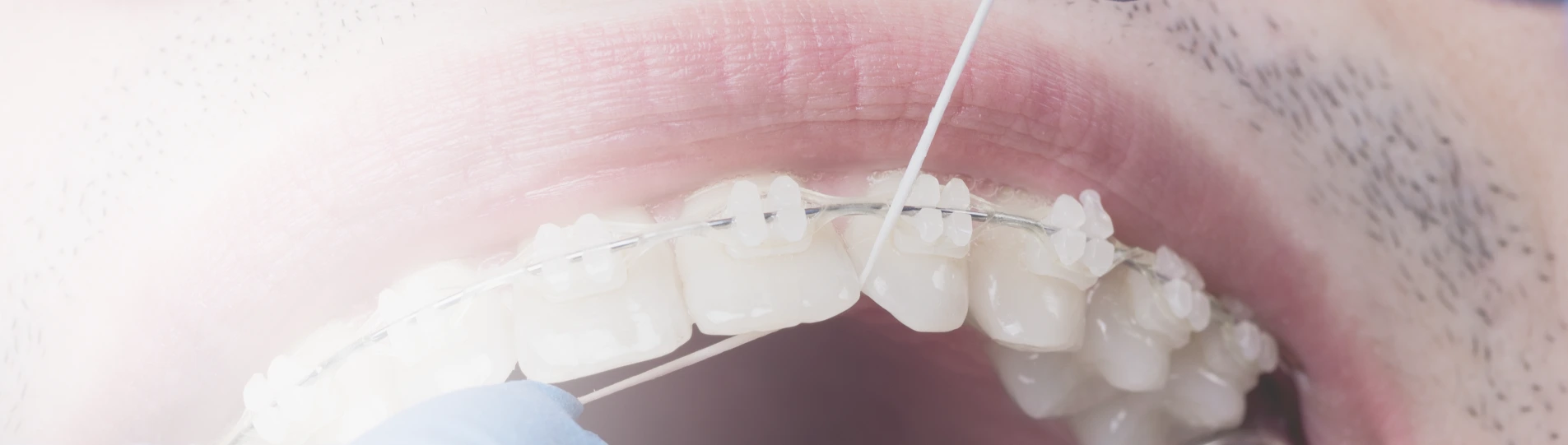
Using dental floss on teeth with fixed orthodontic braces.

Blog

Home – Blog

Using dental floss on teeth with fixed orthodontic braces.

How to Use Dental Floss

Proper use of dental floss is just as important as daily tooth brushing. Even the highest-quality toothbrush cannot remove all deposits between the teeth, which is where bacteria and food particles remain and can cause cavities and gum inflammation.

Here is how to use dental floss correctly:

  1. Choose the appropriate floss. The best ones are unwaxed, as they pass more easily between the teeth and do not leave residue. If your teeth are very tight, you can use waxed floss because it slides more smoothly.

  2. Unwind about 40 cm of floss and wrap the ends around the middle fingers of both hands, leaving 3–5 cm of floss between them for working.

  3. Gently insert the floss between the teeth. Press it lightly against the edge of one tooth and gently pull it toward the gum—never forcefully—to avoid injuring the tissue.

  4. Slide the floss up and down along the tooth surface. This removes deposits and food particles from the space between the teeth and gums.

  5. Use a clean section of floss for each tooth. Wrap the used part around one finger and unwind a new clean portion from the other, so you always use clean floss and avoid spreading bacteria.

Online appointment

Enhance your smile with professional whitening

Restore your smile’s natural brightness and shine with our modern professional whitening treatments. Our experts use safe and effective methods that deliver visible results after just one visit.


Our team of professionals takes care of your smile using modern methods and an individual approach to each patient.

Working Hours

Contact

Phone

+387 ********13

Location

Bijeljina, Street Neznanih Junaka 44A, Bosnia and Herzegovina

Email

co*****@**********nt.com

Dental Calculus – How It Forms and Why It Should Be Removed

Smiling woman with clean, white teeth, partially covered by a leaf.

Blog

Home – Blog

Smiling woman with clean, white teeth, partially covered by a leaf.

Dental Calculus – How It Forms and Why It Should Be Removed

Dental calculus is a common occurrence in most adults and represents hardened deposits that accumulate on the surface of the teeth. Although many people believe it is only an aesthetic problem, dental calculus is actually one of the main causes of gum inflammation and periodontal disease.

Immediately after a tooth erupts, glycoproteins and lipids from saliva begin to deposit on its surface, forming an invisible layer called the acquired dental pellicle. Over time, bacteria and other organic and inorganic substances accumulate on this layer, creating dental plaque, the main cause of cavities and gum disease.

How Dental Calculus Forms
Dental calculus is mineralized dental plaque. It forms when mineral salts from saliva become incorporated into the plaque, hardening it and binding it firmly to the tooth surface.
The color of calculus is usually whitish-yellow, while in smokers it may appear dark yellow, brown, or even black due to tobacco deposits.

The rate at which calculus forms depends on several factors:

  1. Composition of saliva – people whose saliva contains higher levels of calcium, phosphorus, and other minerals are more prone to calculus formation.

  2. Changes in pH levels – when saliva becomes more acidic, the deposition of mineral salts increases.

  3. Insufficient oral hygiene – irregular or improper brushing accelerates plaque formation and its mineralization.

  4. Impaired natural self-cleaning – malpositioned teeth, poor fillings, and prosthetic restorations make cleaning more difficult.

Where Dental Calculus Most Commonly Forms
Calculus typically builds up on the gingival third of the tooth — right along the gumline. It is most commonly found on the inner surfaces of the lower front teeth and the outer surfaces of the upper molars, which is linked to the proximity of the openings of the salivary glands.

There is also calculus that forms below the gumline, called subgingival calculus or concretions. It is darker in color (brown or even black), strongly attached to the tooth root, and more difficult to remove. Subgingival calculus is a consequence of periodontal disease, while supragingival calculus is one of its causes.

Why It Is Important to Remove Calculus Regularly
Dental calculus cannot be removed by regular brushing. It must be professionally removed using ultrasonic instruments in a dental office. It is recommended to have calculus removal and tooth polishing performed at least twice a year to prevent gum inflammation, bad breath, and tooth loss.

Online appointment

Enhance your smile with professional whitening

Restore your smile’s natural brightness and shine with our modern professional whitening treatments. Our experts use safe and effective methods that deliver visible results after just one visit.


Our team of professionals takes care of your smile using modern methods and an individual approach to each patient.

Working Hours

Contact

Phone

+387 ********13

Location

Bijeljina, Street Neznanih Junaka 44A, Bosnia and Herzegovina

Email

co*****@**********nt.com

How to Brush Your Teeth Properly?

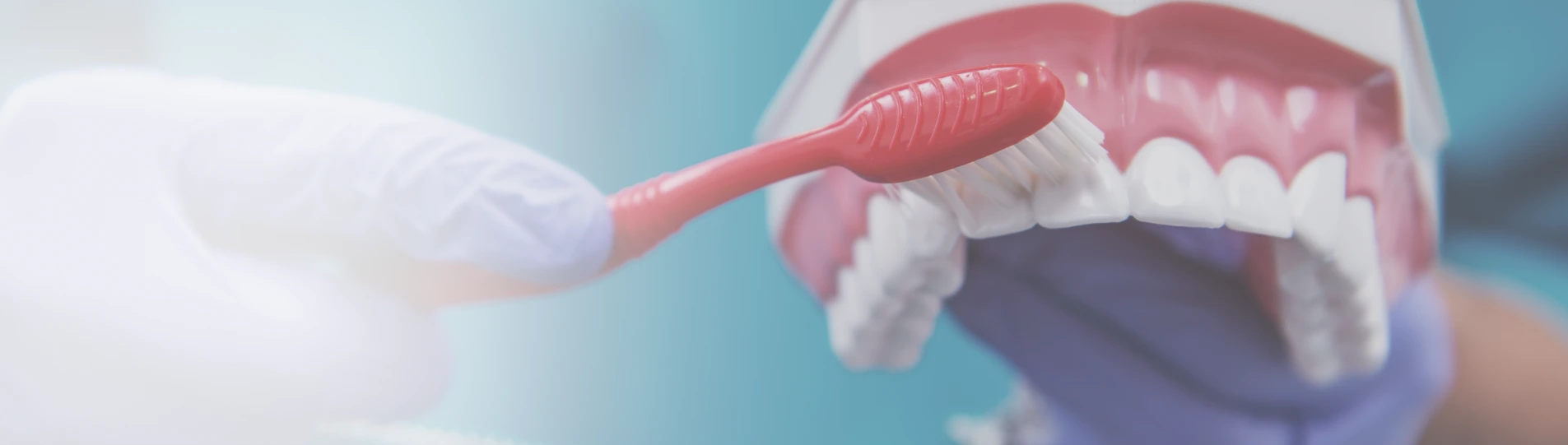
Dentist demonstrating proper tooth brushing technique on a dental model.

Blog

Home – Blog

Dentist demonstrating proper tooth brushing technique on a dental model.

How to Brush Your Teeth Properly?

Proper tooth brushing is the basic step in maintaining the health of the oral cavity. Although many people think they are doing it correctly, wrong brushing technique, inadequate toothbrush or irregular brushing often lead to plaque buildup and the appearance of caries.
That is why it is important to know how to brush your teeth properly so that your smile stays healthy and bright.

  1. Use a soft or medium toothbrush. Such a toothbrush allows thorough cleaning and at the same time does not damage the gums.

  2. Brush your teeth after every meal, but not immediately after eating. It is best to wait 15 to 20 minutes for the pH value in the mouth to normalise. If that is not possible, teeth should be brushed at least 2 times a day, in the morning and in the evening.

  3. Place the toothbrush on the outside, partly on the teeth and partly on the gums. With gentle vibrating movements move the brush left and right so that the bristles pass between the teeth, and then pull the brush down on the upper teeth and up on the lower teeth.

  4. Clean the inner side of the front teeth with the toothbrush positioned vertically in relation

  5. to the teeth and move it with up-and-down strokes.

  6. Clean the inner side of the back teeth by pulling the brush up on the lower teeth and down on the upper teeth.

  7. Clean the chewing surfaces of the teeth with circular movements, with the toothbrush placed flat on the tooth surface.

  8. Replace your toothbrush regularly at the latest after 3 to 4 months, or earlier if the bristles become bent.

Online appointment

Enhance your smile with professional whitening

Restore your smile’s natural brightness and shine with our modern professional whitening treatments. Our experts use safe and effective methods that deliver visible results after just one visit.


Our team of professionals takes care of your smile using modern methods and an individual approach to each patient.

Working Hours

Contact

Phone

+387 ********13

Location

Bijeljina, Street Neznanih Junaka 44A, Bosnia and Herzegovina

Email

co*****@**********nt.com

How Long Do White Fillings Last?

Dentist examining a patient’s tooth using a dental mirror and probe.

Blog

Home – Blog

Dentist examining a patient’s tooth using a dental mirror and probe.

How Long Do White Fillings Last?

White fillings, also known as composite fillings, are a modern material used for restoring tooth structure and for aesthetic reconstruction. Currently, seventh-generation materials are used, which are significantly more resistant, durable, and aesthetically advanced than earlier ones.

Durability of White Fillings
The average lifespan of a white filling is more than 5 to 6 years, but in practice they can last much longer with proper hygiene and regular check-ups. Their longevity depends on several factors: the amount of tooth structure that was restored, the location of the filling (front or back tooth), the quality of the material and the curing light used for polymerization, the technique used to place the filling (whether it was placed in layers), the use of modern adhesive systems, as well as the patient’s overall oral hygiene. When properly placed, white fillings can last more than 10 years without needing replacement.

Online appointment

Enhance your smile with professional whitening

Restore your smile’s natural brightness and shine with our modern professional whitening treatments. Our experts use safe and effective methods that deliver visible results after just one visit.


Our team of professionals takes care of your smile using modern methods and an individual approach to each patient.

Working Hours

Contact

Phone

+387 ********13

Location

Bijeljina, Street Neznanih Junaka 44A, Bosnia and Herzegovina

Email

co*****@**********nt.com

When Should Wisdom Teeth Be Removed?

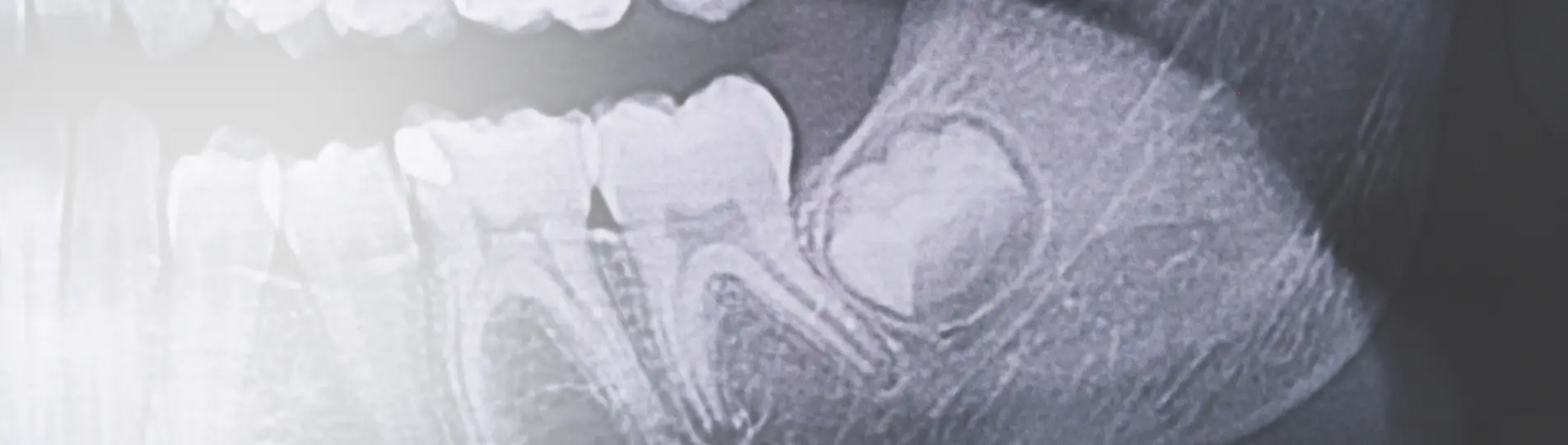
X-ray image of the lower jaw showing a wisdom tooth growing at an improper angle.

Blog

Home – Blog

X-ray image of the lower jaw showing a wisdom tooth growing at an improper angle.

When should wisdom teeth be removed?

Wisdom teeth (third molars) are the last teeth to erupt, usually between the ages of 16 and 25. In some people they erupt properly and cause no problems, while in others they develop at an improper angle or do not have enough space in the jaw, which can lead to pain, swelling, shifting of other teeth, and inflammation.

When is the right time to remove wisdom teeth
If an X-ray shows that the lower wisdom teeth will not erupt properly, it is best to remove them before the roots finish developing, that is, around the age of 16.
At that time: the roots are formed only halfway, the position of the wisdom tooth is already known, the tissues are softer and more elastic, recovery is faster and without complications, and the patient is mature enough to cooperate well during the procedure.

In certain cases, if it is already estimated at an earlier age (around 8 years old) that the wisdom teeth do not have enough space to erupt, it is possible to plan a germectomy, removal of the tooth bud, before crown calcification begins.

Why the procedure should not be delayed
Some patients decide to remove their wisdom teeth only when they begin to cause problems. However, it is much better to do it preventively, at a younger age while the body is healthy and the bone is still softer and well-vascularized (up to around 35–40 years). At that time, healing is faster and the possibility of complications is minimal.

When extraction can be postponed
Extraction of wisdom teeth can be postponed if: the tooth is expected to erupt properly, if the wisdom tooth is needed as a support for a prosthetic restoration, or if it is deeply impacted in the bone, causes no symptoms, and its removal would be risky.

Online appointment

Enhance your smile with professional whitening

Restore your smile’s natural brightness and shine with our modern professional whitening treatments. Our experts use safe and effective methods that deliver visible results after just one visit.


Our team of professionals takes care of your smile using modern methods and an individual approach to each patient.

Working Hours

Contact

Phone

+387 ********13

Location

Bijeljina, Street Neznanih Junaka 44A, Bosnia and Herzegovina

Email

co*****@**********nt.com

Is the Tooth “Dead” After Root Canal Treatment?

Dentist examining a tooth model with a stethoscope, symbolizing endodontic treatment.

Blog

Home – Blog

Dentist examining a tooth model with a stethoscope, symbolizing endodontic treatment.

Is the Tooth “Dead” After Root Canal Treatment?

It is often said that a tooth becomes “dead” after the nerve is removed, but this is not true. While it had a “nerve,” meaning the neurovascular bundle (the pulp), the tooth received nourishment through a small artery and vein that ran through the root. When the pulp becomes diseased, removing it is necessary to save the tooth — but this does not mean the tooth dies afterward.

How the Tooth Functions After the Nerve Is Removed

Even though the pulp is removed, the tooth continues to receive nourishment from the surrounding tissues, specifically from the blood vessels that come from the jawbone. Because of this, the tooth is not “dead”; it simply has a reduced nutritional supply. If it were truly dead, the body would reject it as a foreign object, which clearly does not happen.

A tooth treated this way can become more brittle over time (more prone to fracture), so it may occasionally need reinforcement with a post or a buildup. It may also darken slightly in color, which is a normal consequence of structural changes following endodontic treatment.

Online appointment

Enhance your smile with professional whitening

Restore your smile’s natural brightness and shine with our modern professional whitening treatments. Our experts use safe and effective methods that deliver visible results after just one visit.


Our team of professionals takes care of your smile using modern methods and an individual approach to each patient.

Working Hours

Contact

Phone

+387 ********13

Location

Bijeljina, Street Neznanih Junaka 44A, Bosnia and Herzegovina

Email

co*****@**********nt.com

Do Chewing Gums Prevent Tooth Decay?

Woman chewing a sugar-free chewing gum.

Blog

Home – Blog

Woman chewing a sugar-free chewing gum.

Do Chewing Gums Prevent Tooth Decay?

The best way to prevent tooth decay is regular and proper tooth brushing. However, sugar-free chewing gums can be a useful addition to everyday oral hygiene.

How Chewing Gums Help

Chewing gums sweetened with xylitol (a natural sweetener) can help prevent tooth decay. The bacteria in the mouth try to break down xylitol as if it were regular sugar, but they are unable to do so. This disrupts their growth and reduces the production of acids that damage tooth enamel.

In addition, chewing stimulates saliva flow, which naturally rinses the teeth and helps the mouth clean itself. If the chewing gum contains fluoride, the protective effect is even stronger.

When and How Long to Chew

Chewing gums are recommended after meals, but not for too long — approximately 5 to 10 minutes. Prolonged chewing can strain the jaw muscles and joints, so moderation is advised.

What to Avoid
Chewing gums that contain sugar can be very harmful to the teeth, as sugar promotes the growth of bacteria and the production of acids that cause tooth decay.

Online appointment

Enhance your smile with professional whitening

Restore your smile’s natural brightness and shine with our modern professional whitening treatments. Our experts use safe and effective methods that deliver visible results after just one visit.


Our team of professionals takes care of your smile using modern methods and an individual approach to each patient.

Working Hours

Contact

Phone

+387 ********13

Location

Bijeljina, Street Neznanih Junaka 44A, Bosnia and Herzegovina

Email

co*****@**********nt.com

Should Baby Teeth Be Treated?

A child sitting in a dental chair while the dentist shows a tooth model.

Blog

Home – Blog

A child sitting in a dental chair while the dentist shows a tooth model.

Should Baby Teeth Be Treated?

The health of baby teeth is extremely important for the proper growth and development of the jaws, as well as for the eruption of permanent teeth.

Baby teeth should be treated the same way as permanent teeth because they have an important role: they help the child chew and speak properly, preserve space for future permanent teeth, and guide their correct eruption.

If a baby tooth is lost too early due to decay or infection, it can lead to disturbances in the alignment of permanent teeth, narrowing of space, and later orthodontic problems.

Neglecting baby teeth can also lead to infections that spread and affect the developing permanent teeth. That is why regular dental check-ups are the best way to detect potential problems on time.

Online appointment

Enhance your smile with professional whitening

Restore your smile’s natural brightness and shine with our modern professional whitening treatments. Our experts use safe and effective methods that deliver visible results after just one visit.


Our team of professionals takes care of your smile using modern methods and an individual approach to each patient.

Working Hours

Contact

Phone

+387 ********13

Location

Bijeljina, Street Neznanih Junaka 44A, Bosnia and Herzegovina

Email

co*****@**********nt.com

What Causes Tooth Decay?

Dentist examining a tooth model with a stethoscope, symbolizing the development and diagnosis of tooth decay.

Blog

Home – Blog

Dentist examining a tooth model with a stethoscope, symbolizing the development and diagnosis of tooth decay.

What Causes Tooth Decay?

How Tooth Decay Develops
The most common cause of tooth decay is dental plaque — a buildup on the teeth that contains bacteria and food particles, especially carbohydrates. If the teeth are not brushed properly and regularly, plaque accumulates. In the presence of bacteria (most commonly Streptococcus mutans), acids are produced that gradually damage the tooth enamel, marking the beginning of the caries process.

Progression of Tooth Decay
Tooth decay progresses from the enamel layer into the dentin (the layer beneath the enamel). In dentin, caries spreads much faster, both in depth and width. At this stage, patients usually feel pain when consuming something cold or sweet, which indicates that the decay is approaching the pulp (“tooth nerve”).

If left untreated, the infection reaches the pulp, causing spontaneous, intense pain that can last from a few minutes to half an hour. As the condition worsens, pain-free periods become shorter, while episodes of pain become more frequent and more severe — this stage is known as pulpitis.

When the Infection Advances
If treatment is still not provided, the “nerve” dies, and the infection spreads into the tooth root and surrounding bone. The tooth becomes sensitive to touch, tapping, or biting. The inflammation progresses, potentially leading to swelling, severe pain, and the formation of a fistula (a small channel through which pus drains to the surface of the oral mucosa). At this stage, endodontic treatment (root canal cleaning) is necessary.

Why Prevention Matters
For all the reasons mentioned above, prevention and regular dental check-ups are essential. It is recommended to have your teeth professionally examined at least twice a year to detect caries in its early stage and prevent complications.

With modern materials (metal-free composites), it is possible to restore lost tooth structure both aesthetically and functionally, without the need for the metal fillings that were commonly used in the past.

Online appointment

Enhance your smile with professional whitening

Restore your smile’s natural brightness and shine with our modern professional whitening treatments. Our experts use safe and effective methods that deliver visible results after just one visit.


Our team of professionals takes care of your smile using modern methods and an individual approach to each patient.

Working Hours

Contact

Phone

+387 ********13

Location

Bijeljina, Street Neznanih Junaka 44A, Bosnia and Herzegovina

Email

co*****@**********nt.com

At what age does the first permanent tooth erupt?

Child’s smile showing gaps from lost baby teeth and newly erupting permanent teeth.

Blog

Home – Blog

Child’s smile showing gaps from lost baby teeth and newly erupting permanent teeth.

At what age does the first permanent tooth erupt?

The eruption of baby teeth begins around the sixth month of life and is usually completed between the ages of two and two and a half. At that point, a child has 10 teeth in each jaw (20 in total).

The first permanent tooth most commonly erupts around the age of six. These are the so-called “first molars” (also known as the “six-year molars”), and they do not replace any baby tooth. They emerge behind the baby molars, which is why parents sometimes don’t even notice that a new tooth has appeared.

This is precisely why it is important for parents to pay special attention to oral hygiene during this period, in order to protect these teeth (as well as all others) from decay. The “six-year molars” are particularly sensitive because they are located in an area that is harder to brush, and children are still learning how to maintain proper oral hygiene at this age.

The timing of eruption can vary from child to child. However, if the first permanent tooth is delayed significantly beyond what is considered typical, a dental and, if needed, radiological examination is recommended to determine whether there is an anatomical or developmental issue (such as a missing tooth bud, an extra tooth, cyst, etc.).

Online appointment

Enhance your smile with professional whitening

Restore your smile’s natural brightness and shine with our modern professional whitening treatments. Our experts use safe and effective methods that deliver visible results after just one visit.


Our team of professionals takes care of your smile using modern methods and an individual approach to each patient.

Working Hours

Contact

Phone

+387 ********13

Location

Bijeljina, Street Neznanih Junaka 44A, Bosnia and Herzegovina

Email

co*****@**********nt.com